

 English
 Pусский
 日本語
日本語 العربية
 ไทย
ไทย हिन्दी
 Indonesia
 Tiếng Việt
 বাংলা
বাংলা


산업용 황산마그네슘
Industrial Magnesium Sulfate: Properties, Production, and Applications Magnesium sulfate, commonly known as Epsom salt in its hydrated form (MgSO₄·7H₂O), is an inorganic compound widely used in industrial, agricultural, and pharmaceutical applications. Its versatility stems from its chemical properties, ease of production, and multiple functional roles across industries. Chemical and Physical Properties Magnesium sulfate exists in anhydrous (MgSO₄) and hydrated forms, with the heptahydrate (MgSO₄·7H₂O) being the most prevalent. It appears as white crystalline powder or colorless crystals, highly soluble in water but insoluble in organic solvents. The compound is stable under normal conditions but decomposes upon heating, releasing water and forming anhydrous magnesium sulfate at high temperatures. Its hygroscopic nature makes it useful as a desiccant in certain applications. Production Methods Industrial magnesium sulfate is primarily produced through two methods: 1. Mining and Purification: Naturally occurring magnesium sulfate minerals (e.g., kieserite or epsomite) are mined and refined to remove impurities. 2. Chemical Synthesis: It is often derived as a byproduct of other industrial processes, such as the reaction of magnesium oxide, hydroxide, or carbonate with sulfuric acid. Alternatively, it can be obtained from seawater or brine through crystallization. The production process typically involves dissolution, filtration, evaporation, and crystallization to obtain the desired purity and hydration level. Industrial Applications 1. Agriculture: Magnesium sulfate is a key component in fertilizers, providing essential magnesium and sulfur to crops. It corrects soil deficiencies, enhances chlorophyll production, and improves plant growth. 2. Textiles: In dyeing and printing, it acts as a mordant to fix dyes onto fabrics and as a weighting agent for silk and cotton. 3. Chemicals: It serves as a raw material for producing other magnesium compounds and as a coagulant in wastewater treatment. 4. Construction: Added to cement and plaster, it improves fire resistance and reduces cracking. 5. Pharmaceuticals: Used in medicinal preparations (e.g., laxatives, anticonvulsants) and topical treatments for inflammation. 6. Food Industry: As a food additive (E518), it functions as a nutrient supplement and firming agent. Safety and Handling Magnesium sulfate is generally low in toxicity but requires proper handling to avoid irritation to skin, eyes, or respiratory systems. Industrial-grade material should be stored in dry, cool conditions to prevent caking or moisture absorption. Conclusion Industrial magnesium sulfate is a multifunctional compound with critical roles in agriculture, manufacturing, and healthcare. Its cost-effectiveness, ease of production, and diverse applications make it indispensable in modern industry. Ongoing research continues to explore new uses, further solidifying its importance in global markets.
제품
범주:
-
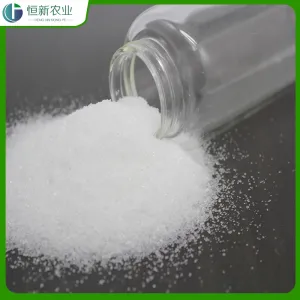
산업용 등급 황산마그네슘 칠수화물
분류: 황산마그네슘 칠수화물조회수: 7번호:릴리스 시간: 2025-12-09 14:10:06일반적으로 Epsom 염 또는 티오시아네이트로 알려진 황산마그네슘 칠수화물은 화학식 MgSO₄·7H2O를 갖는 황산마그네슘의 수화물입니다. 그 핵심은 황산마그네슘과 7개의 결정수 분자로 구성된 흰색 결정질 고체입니다. -
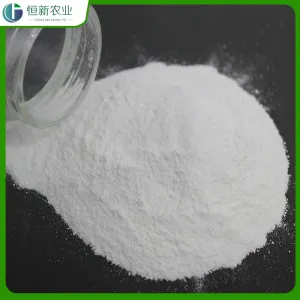
산업용 등급 황산마그네슘 일수화물
분류: 황산마그네슘일수화물조회수: 10번호:릴리스 시간: 2025-12-09 15:40:09공업용 황산마그네슘 일수화물은 산업 생산에서 일반적으로 사용되는 무기 화학 원료입니다. 농업용 제품에 비해 순도가 높고 불순물 관리가 엄격하여 다양한 산업 시나리오의 가공 요구에 적합합니다.
뉴스
범주:
검색 결과가 없습니다!
케이스
범주:
검색 결과가 없습니다!
비디오
범주:
검색 결과가 없습니다!
다운로드
범주:
검색 결과가 없습니다!
모집
범주:
검색 결과가 없습니다!
추천 제품
검색 결과가 없습니다!



 핸드폰
핸드폰